The Lost Generator - Official Site

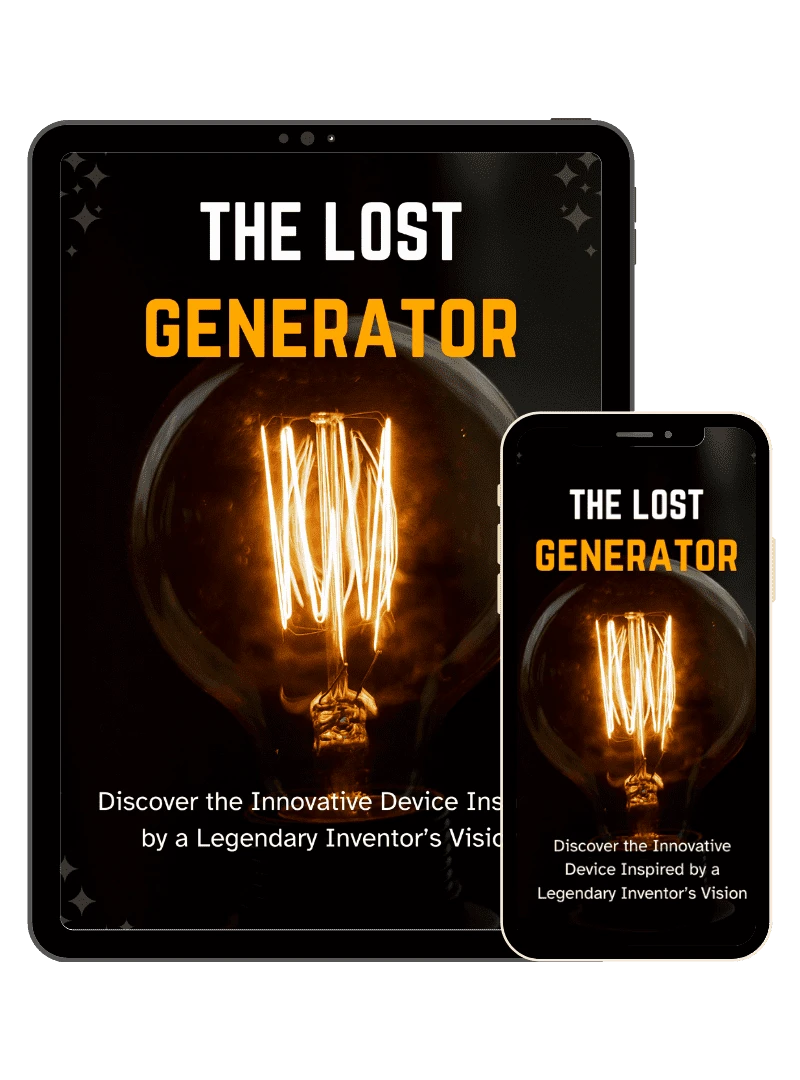
The Lost Generator

The Lost Generator might represent an accessible DIY blueprint inspired by
thermal energy principles that could guide everyday individuals toward building their own off-grid electricity source using affordable hardware store components.

Developed by Barnaby Brown, a retired mechanical engineer who researched historical Edison-era thermal concepts, this program appears to offer detailed construction plans that may help users create a backup power device without requiring advanced technical expertise or expensive installations.

This approach to energy resilience could appeal to those seeking greater autonomy during emergencies, though outcomes might vary based on individual assembly skill, local conditions, and system maintenance practices.

With The Lost Generator buy option, individuals interested in exploring alternative power methods may find a cost-conscious starting point, though consulting qualified professionals before implementing any electrical system remains advisable. 

The Lost Generator Customer Reviews

The Lost Generator Reviews
 John M. - Texas 

"After experiencing our brutal winter blackout last year, I knew I needed reliable backup power. Reading through The Lost Generator reviews convinced me to try building one myself. Following the blueprint over a weekend, I successfully assembled a working unit using parts from my local hardware store. Now I have peace of mind knowing my refrigerator and essential devices won't fail during the next outage. The instructions were surprisingly clear for someone like me with limited electrical background."

The Lost Generator Reviews
Lana B. - Oregon

"As a single parent with no engineering training, I was initially hesitant about attempting a DIY power project. However, The Lost Generator official guide provided step-by-step diagrams that made the process manageable. I completed construction in stages, and while I can't claim it powers my entire home, it does keep my phone charged and a few lights running during camping trips and minor power interruptions. The affordability factor—under $200 in materials—made this experiment worthwhile, though I'd recommend double-checking all connections carefully."

The Lost Generator Reviews
Daniel K. - Florida

"Living in hurricane territory means preparing for extended outages, so I explored The Lost Generator sale options during a promotional period. The thermal-to-electrical concept intrigued me, and after building the device according to specifications, I tested it during our last storm. It successfully powered a small fan and emergency lighting for approximately 36 hours. While it won't replace a commercial generator for heavy-duty needs, it provides a supplementary backup that could prove valuable. The educational aspect of understanding energy conversion was an unexpected bonus for my teenage children."

What is The Lost Generator?

The Lost Generator Blueprint


The Lost Generator appears to be a comprehensive digital blueprint package that presents thermal energy conversion principles in a format designed for non-professional builders who might wish to explore alternative electricity generation without major capital investment.

According to The Lost Generator supplements documentation, this system draws conceptual inspiration from historical experiments attributed to Thomas Edison's era, adapting those foundational thermal principles into modern DIY instructions that could potentially guide users through assembling a small-scale power device using commonly available hardware components. The approach focuses on thermoelectric materials that may convert temperature differentials into modest electrical current.

This educational program might appeal to individuals interested in understanding energy independence concepts, emergency preparedness strategies, or hands-on learning experiences, though actual power output could vary significantly based on construction quality, environmental factors, and component selection accuracy.

The Lost Generator System

Created by Barnaby Brown following his personal experience with extended power failures, The Lost Generator buy program reportedly contains detailed construction diagrams, parts sourcing lists, and assembly protocols that aim to simplify what might otherwise require specialized electrical engineering knowledge.

The Lost Generator official materials suggest that participants could potentially build a functional thermal-electric device within a weekend timeframe, assuming they possess basic tool familiarity and follow safety precautions throughout the construction process. The system reportedly includes multiple track variations and bonus materials addressing storage, optimization, and troubleshooting scenarios.

While testimonials indicate varying degrees of success, prospective builders should understand that DIY electrical projects carry inherent risks and may not produce consistent results across different implementation contexts. Consulting licensed electricians before connecting any homemade device to household circuits or appliances remains strongly advisable, as improper installation could potentially create fire hazards or equipment damage.

How Does The Lost Generator Work?


Rising utility costs and increasingly frequent power disruptions have prompted many households to explore backup electricity options, yet traditional solutions like commercial generators or solar installations might require substantial upfront investment and ongoing maintenance commitments that could strain limited budgets. Grid dependency vulnerabilities become especially concerning during severe weather events when extended outages may compromise food preservation, medical device operation, and basic communication capabilities.

The Lost Generator reviews suggest this blueprint-based approach could offer an exploratory middle path for those unwilling to commit thousands of dollars before understanding whether alternative power generation aligns with their practical needs and technical comfort levels. By focusing on thermal energy conversion—a principle involving temperature differential exploitation through specialized materials—the system appears designed to bypass reliance on sunlight availability or wind patterns that might limit other renewable approaches.

According to The Lost Generator official documentation, the operational mechanism centers on thermoelectric modules that may generate modest voltage when one surface maintains higher temperature than another, creating electron flow that could potentially charge batteries or power low-draw devices. Heat sources might include various safe thermal inputs, though specific implementation details would require careful review of complete instructions and safety protocols.

The assembly process reportedly involves connecting heat transfer components to thermoelectric conversion elements, integrating basic electrical management hardware, and establishing proper ventilation to maintain necessary temperature gradients. Those considering The Lost Generator buy option should recognize that successful implementation might depend heavily on precise component selection, careful construction following exact specifications, and realistic expectations regarding power output capacity.

Energy conversion efficiency in thermoelectric systems typically remains relatively modest compared to commercial power generation, meaning The Lost Generator supplements rather than replaces conventional electricity sources for most applications. Users might realistically expect sufficient output for emergency lighting, mobile device charging, or small appliance operation during short-term outages, though powering entire homes continuously would likely exceed practical capability boundaries.

Before beginning construction, individuals should carefully assess their technical skills, available workspace, and willingness to invest time learning basic electrical principles. The Lost Generator sale promotions might offer attractive pricing, but potential builders must weigh whether their situation truly justifies DIY electrical experimentation versus simply purchasing tested commercial backup solutions with established safety certifications and warranty protection.

Safety considerations remain paramount when working with any electrical generation system, regardless of scale or construction method. Those with medical devices dependent on consistent power, young children requiring environmental controls, or limited technical troubleshooting experience should consult qualified electrical professionals before attempting homemade power projects that could potentially create hazardous conditions if improperly assembled or maintained.

The thermal-to-electrical conversion principle underlying The Lost Generator represents legitimate physics, though translating theoretical concepts into reliable practical devices requires attention to material quality, thermal management precision, and electrical safety standards that casual hobbyists might underestimate. Successful builders in The Lost Generator reviews often emphasize importance of following instructions meticulously and not improvising with unapproved component substitutions.

Environmental factors including ambient temperature ranges, humidity levels, and available heat source consistency could significantly influence actual performance outcomes, meaning results might vary considerably between different geographic locations and seasonal conditions. Winter implementations might face different challenges than summer deployments, requiring adaptive strategies not fully addressed in generalized instruction sets.

Those exploring The Lost Generator official materials should approach claims cautiously, recognizing that individual experiences reported in testimonials may not represent typical outcomes and could reflect optimal conditions or exceptional builder skill levels. Maintaining realistic expectations helps prevent disappointment while still allowing genuine learning opportunities and potential backup power benefits within appropriate limitation acknowledgment.

Who created The Lost Generator?

The Lost Generator blueprint reportedly originated from Barnaby Brown, a retired mechanical engineer from Boulder, Colorado, who experienced firsthand challenges during a severe winter power outage that left his family vulnerable without electricity or heating capacity. His personal crisis prompted research into historical energy generation methods that might offer practical alternatives to grid dependency.

According to The Lost Generator official narrative, Brown's investigation led him to archived technical notes related to Thomas Edison's lesser-known thermal electricity experiments from the late 1800s. These historical concepts apparently inspired the foundational principles adapted into modern DIY construction plans that everyday individuals might attempt using contemporary hardware store components.

The Lost Generator reviews often mention Brown's emphasis on accessibility and affordability, with materials lists designed around common availability rather than specialty engineering supplies. Those considering The Lost Generator buy options should recognize that while the creator's background lends credibility, individual construction results might vary based on builder skill, component quality, and adherence to safety protocols outlined in The Lost Generator sale materials.

Science Behind The Lost Generator


Achieving reliable backup power during emergencies could involve various approaches, each with distinct advantages and limitations. Below are measured comparisons that individuals often evaluate alongside The Lost Generator reviews and information found on The Lost Generator official resources:

Commercial Diesel Generators – These units might deliver substantial power capacity for whole-home backup, though fuel storage requirements, noise levels, and ongoing maintenance costs could present challenges. Individuals comparing options with The Lost Generator buy alternatives should weigh upfront investment against long-term operational expenses.

Solar Panel Systems – Photovoltaic installations could provide renewable energy with minimal ongoing costs once installed, yet initial investment typically ranges from $10,000 to $30,000 depending on capacity needs. Weather dependency and geographic location may significantly impact output consistency compared to thermal-based approaches.

Battery Storage Banks – Lithium battery systems might store grid electricity for emergency use and could pair well with renewable sources. However, capacity limitations and replacement cycles should be considered, especially when reviewing The Lost Generator supplements as a potentially lower-cost exploratory option.

Thermoelectric Generation Principles – Temperature differential exploitation through specialized materials could produce modest electricity without moving parts or combustion. The Lost Generator official program appears designed to make this concept accessible through simplified construction protocols, though realistic output expectations remain essential.

In all cases, safety considerations must take priority: electrical work carries inherent risks, and improper installation could create fire hazards or equipment damage. Professional consultation before implementing any DIY power system could help prevent dangerous situations, especially during The Lost Generator sale promotional periods when purchase enthusiasm might override caution.

Disclaimer: DIY electrical generation systems are not professionally certified power solutions and may not meet local building codes or insurance requirements. Anyone considering home power projects should consult licensed electricians, verify local regulations, and understand that homemade devices carry risks not present in commercially tested equipment. Professional evaluation could be essential before connecting any DIY system to household circuits or essential medical equipment.

How Thermal Energy May Support Power Generation

Thermoelectric conversion describes how temperature differences across specialized materials could generate electrical current through the Seebeck effect, which might enable small-scale power production for emergency applications. Below is a measured perspective on how this principle could contribute to energy resilience, often discussed in The Lost Generator reviews and echoed in The Lost Generator official documentation:

1. Temperature Differential Harvesting — Maintaining one surface significantly warmer than another could drive electron flow through thermoelectric modules, potentially generating modest voltage that might charge batteries or power low-draw devices. Heat source safety and consistency appear critical for reliable operation.

2. Mechanical Simplicity Advantages — Systems without moving parts might require less maintenance and could operate more quietly than combustion-based generators. This characteristic may appeal to those exploring The Lost Generator buy options for residential settings where noise restrictions apply.

3. Scalability Within Limits — Multiple thermoelectric modules connected in series could theoretically increase voltage output, though practical constraints regarding heat management and component costs might limit realistic expansion. Those reviewing The Lost Generator supplements should understand that whole-home power remains unlikely without substantial system scaling.

4. Emergency Application Suitability — For short-term outages requiring phone charging, emergency lighting, or small appliance operation, thermal generation principles could provide supplementary capacity. Watching for a The Lost Generator sale might make experimental implementation more financially accessible while maintaining conservative performance expectations.

Caution: Any electrical generation system requires proper grounding, overcurrent protection, and isolation from household circuits unless professionally inspected and approved. Those with critical medical equipment, home businesses, or vulnerable household members should prioritize certified backup solutions over experimental DIY projects like The Lost Generator official plans, regardless of promotional pricing.

Benefits of The Lost Generator

The Lost Generator could offer a practical, budget-conscious entry point for exploring alternative energy concepts while maintaining realistic expectations about output capacity. Many prospective builders examine The Lost Generator reviews and compare construction requirements before deciding whether to proceed with The Lost Generator buy or wait for a The Lost Generator sale promotion.

Potential benefits that users commonly explore:

  1. Affordable Material Investment - Construction costs might remain under $200 using common hardware store components, potentially making experimental implementation more accessible than commercial backup systems.
  2. Educational Value - Builders could gain hands-on understanding of thermoelectric principles, electrical safety protocols, and basic circuit design through the assembly process.
  3. Emergency Preparedness Options - Successfully completed units may provide supplementary power for phone charging, LED lighting, or small radios during short-term outages.
  4. Grid Independence Exploration - The project might help users evaluate their comfort level with alternative energy before committing to expensive commercial installations.
  5. Quiet Operation Potential - Thermal systems without combustion or moving parts could operate more quietly than traditional generators, possibly suiting residential environments.
  6. Mechanical Simplicity - Fewer moving components might reduce maintenance requirements compared to gas-powered alternatives, though performance monitoring remains essential.
  7. Fuel Independence - Heat-based generation could eliminate gasoline or propane storage concerns that accompany conventional backup generators.
  8. Compact Footprint - Completed units might occupy less space than comparable commercial generators, potentially fitting storage-constrained environments.
  9. Weekend Project Timeline - Many builders report completing assembly within 1-2 days, making it feasible for busy schedules if all materials are pre-gathered.
  10. Customization Opportunities - DIY construction could allow component selection tailored to specific output requirements or available heat sources.
  11. Environmental Consideration - Systems avoiding fossil fuel combustion might appeal to environmentally conscious individuals seeking cleaner backup options.
  12. Family Learning Activity - Supervised construction with teenagers could provide STEM education opportunities and practical skill development.
  13. Promotional Pricing Access - Blueprint purchases during The Lost Generator sale periods might reduce initial investment while testing concept viability.
  14. Community Knowledge Sharing - Online forums discussing The Lost Generator official plans could provide troubleshooting support and optimization tips from experienced builders.
  15. Modular Expansion Possibility - Successful initial builds might inspire confidence for creating additional units or capacity upgrades over time.
  16. Off-Grid Living Application - Remote cabin owners or RV enthusiasts might find thermal generation concepts particularly relevant for their specific circumstances.
  17. Self-Sufficiency Mindset - Completing a functional energy device could build confidence in tackling other self-reliance projects and skills.
  18. Controlled Experimentation - Lower cost allows testing alternative energy concepts without major financial commitment to unproven personal fit.
  19. No Prescription Needed - Unlike regulated energy systems, blueprint access doesn't require professional licensing or utility company coordination.
  20. Personal Pace Assembly - Builders can work at comfortable speeds without installer scheduling constraints or rushed timelines.
  21. Documentation Review - Thorough examination of The Lost Generator supplements materials before purchase could help assess project match to skill level.
  22. Safety Protocol Learning - Following electrical safety guidelines during construction might improve general awareness for future home projects.
  23. Realistic Expectation Setting - Understanding limitations through The Lost Generator reviews could prevent disappointment while still allowing genuine benefits within appropriate scope.
  24. Professional Consultation Value - Before The Lost Generator buy, licensed electrician review of plans could identify potential hazards and ensure local code compliance.
  25. Alternative Consideration - Our promoted solutions—PowerVault Pro, EnergyShield Plus, and GridGuard Elite—might offer professionally certified backup systems with established safety records and warranty protection.
  26. PowerVault Pro Highlight - This commercial system could provide whole-home backup capacity with professional installation and 10-year warranty coverage exceeding DIY capabilities.
  27. EnergyShield Plus Highlight - It might include automatic transfer switching and utility grid integration that DIY projects cannot safely replicate without professional oversight.
  28. GridGuard Elite Highlight - This option could emphasize modular scalability with certified components meeting national electrical codes and insurance requirements.
  29. Informed Decision Approach - Whichever path you choose, prioritize safety evaluations, understand realistic output limits, and consult professionals before connecting any homemade system to household circuits or critical equipment.

Money Back Guarantee

The Lost Generator

The The Lost Generator official blueprint package includes a 60-day money-back guarantee from your original purchase date.

If you're not completely satisfied with the construction plans, instructional clarity, or your DIY experience within the first 60 days, contact The Lost Generator Support Portal for a full refund within 48 hours—no questions asked. This policy allows you to confidently explore the blueprint materials while reviewing other The Lost Generator reviews to assess project feasibility.

The Lost Generator Money Back Guarantee

What are the components in The Lost Generator?

The The Lost Generator blueprint package integrates several core components that together could support DIY thermal power generation and emergency preparedness:

Key Components of The Lost Generator:

1. Detailed Construction Diagrams - The foundation of the program, these step-by-step visual guides reportedly illustrate assembly sequences, component positioning, and electrical connection protocols designed for non-professional builders attempting thermal energy conversion systems.

2. Complete Parts Sourcing List - A comprehensive inventory detailing thermoelectric modules, heat transfer elements, electrical management components, and structural materials that might be obtained from local hardware retailers. Many The Lost Generator reviews emphasize accessibility of listed items.

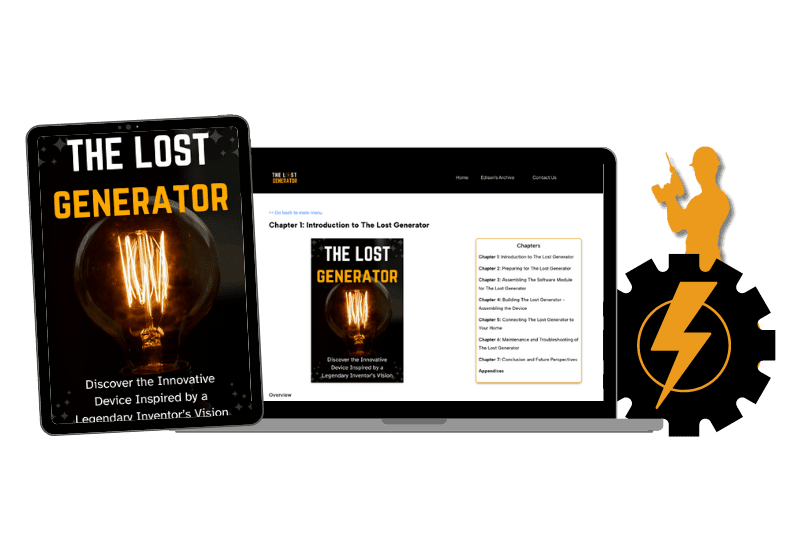
3. Digital Access and Updates - The entire blueprint package, including troubleshooting guides and safety protocols, is designed for immediate download to various devices. This format allows flexible review during construction without requiring internet connectivity at work sites.

These components provide a comprehensive DIY approach to alternative power exploration. For those seeking professionally certified solutions, our recommended products like PowerVault Pro, EnergyShield Plus, and GridGuard Elite offer different capacities and warranty protections that might better suit critical application needs.

Important Note: We recommend these professionally certified alternatives for users requiring guaranteed performance and safety compliance. PowerVault Pro is excellent for whole-home backup requiring seamless grid integration and automatic transfer switching. EnergyShield Plus is ideal for businesses and medical facilities needing UL-listed equipment with professional installation and monitoring. GridGuard Elite is perfect for those prioritizing scalable capacity with certified components meeting national electrical codes and insurance requirements. Exploring these options can help you find reliable backup power solutions with established safety records.

How to use The Lost Generator?

Using The Lost Generator could involve careful preparation and methodical assembly following safety protocols designed to minimize electrical hazards. The steps below reflect common construction sequences mentioned across The Lost Generator reviews and the The Lost Generator official guidance, while strongly encouraging professional consultation before implementation.

Step-by-Step Construction Approach for The Lost Generator:

1. Purchase and Review Plans - Complete your The Lost Generator buy on the The Lost Generator official site, then thoroughly review all materials before purchasing components. Understanding complete requirements might prevent costly mistakes or incomplete builds.

2. Gather All Components First - Obtain every listed part before beginning assembly; missing items could halt progress at critical stages. This preparation approach appears emphasized across The Lost Generator reviews from successful builders.

3. Prepare Safe Workspace - Establish a well-ventilated, dry area with adequate lighting and non-conductive work surfaces. Proper grounding and circuit protection might be essential; professional electricians could verify workspace safety before beginning.

4. Follow Sequential Assembly - Proceed through construction phases methodically without skipping steps or improvising component substitutions. Precision could matter significantly for thermal management and electrical safety; many users report consulting The Lost Generator sale materials multiple times during builds.

5. Test Components Individually - Verify each electrical connection and thermoelectric module before integrating into complete system. Incremental testing might identify problems early when corrections remain simpler and safer.

6. Monitor Initial Operation Closely - Observe temperature patterns, voltage output, and component behavior during first power generation cycles. Detailed logging could help identify performance issues requiring adjustment, as suggested in The Lost Generator reviews.

7. Maintain Professional Oversight - Before connecting any homemade device to household circuits or appliances, have licensed electricians inspect construction and verify code compliance. The The Lost Generator official materials recommend professional evaluation for systems intended beyond experimental use.

These steps may help you approach construction systematically. As with any electrical project, safety must remain paramount—improper assembly could create fire hazards, equipment damage, or personal injury risks requiring immediate professional intervention regardless of The Lost Generator supplements or promotional pricing considerations.

Frequently Asked Questions

The Lost Generator could be attempted by adults with basic tool familiarity and careful attention to instructions, though individuals lacking electrical experience should strongly consider professional consultation before beginning. Checking the The Lost Generator official safety protocols may clarify skill requirements, and reading The Lost Generator reviews could help assess whether your technical background matches successful builder profiles.

Many builders report completing assembly within one or two weekends if all components are pre-gathered and workspace is properly prepared. Rushing construction could compromise safety or performance, as echoed in cautionary notes across The Lost Generator reviews and guidance from the The Lost Generator official documentation.

Output capacity varies based on component quality, thermal management effectiveness, and environmental conditions. Most builders report sufficient generation for phone charging, LED lighting, and small radios rather than whole-home power, so reviewing The Lost Generator reviews may help establish realistic performance expectations before investment.

The Lost Generator might be accessible to careful beginners, though lack of electrical experience increases safety risks significantly. The The Lost Generator official materials suggest starting with thorough plan review and component familiarization, while user-shared The Lost Generator reviews often recommend having licensed electricians verify connections before powering systems.

Standard tools like screwdrivers, wire strippers, multimeters, and safety equipment could suffice for most construction phases. Quality matters for precision and safety; if uncertainty arises regarding tool requirements, checking The Lost Generator reviews for builder recommendations or consulting professionals before purchasing specialized equipment might prevent wasted investment.

Complete your The Lost Generator buy via the The Lost Generator official checkout, then thoroughly review all documentation before purchasing components. If uncertain about electrical safety, read The Lost Generator reviews for construction insights and strongly consider professional consultation before beginning assembly to verify your project approach matches local codes and personal safety requirements.

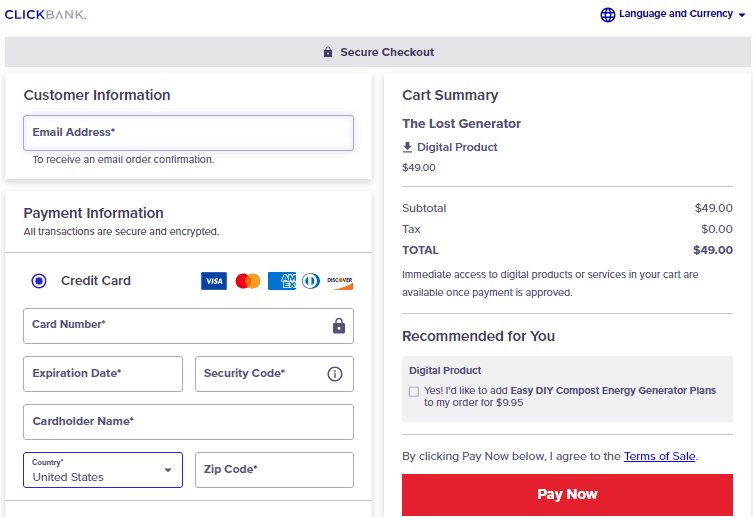
"What happens after I click the " Buy Now" Button?"

Once you click Buy Now, you might be redirected to a secure checkout page where the The Lost Generator buy transaction details are confirmed. After purchase completion, the The Lost Generator official system could email instant blueprint access along with welcome instructions, bonus materials, and links to community resources mentioned in recent The Lost Generator reviews.

The Lost Generator Checkout Page

How Safe Is My Credit Card Information on Your Website?

Your financial security matters. The The Lost Generator official checkout reportedly employs industry-standard SSL encryption and reputable payment processors so your The Lost Generator buy transaction remains protected during processing. If you have concerns about online purchases, checking independent reviews and using virtual card numbers through your bank might provide additional peace of mind.

Remarks

A cautious, methodical approach could help you evaluate construction feasibility and safety requirements before committing time and resources to building. If electrical concerns arise or local codes appear restrictive, seek licensed electrician guidance and consider pausing The Lost Generator assembly until professional clearance is obtained. Watching for a The Lost Generator sale may make blueprint exploration more affordable while you review The Lost Generator reviews for realistic performance expectations and compare against certified commercial alternatives.

Email: support@thelostgenerator.com 

Don't Wait Any Longer! Secure Your Blueprint Access Today!

The Lost Generator Price

Limited Time Offer: Just $49

© Copyright 2025 The Lost Generator. All Rights Reserved.

Disclaimer: Content on this site is educational and informational and should not be considered professional electrical engineering advice. The Lost Generator is a DIY blueprint for experimental energy projects and construction results may vary significantly based on builder skill, component quality, and environmental conditions. Individuals lacking electrical experience, those with critical power needs, or anyone uncertain about safety protocols should consult licensed electricians before beginning assembly. References to The Lost Generator reviews reflect individual user experiences and do not guarantee typical outcomes or performance levels. If considering any The Lost Generator supplements materials or combining with household electrical systems, seek professional inspection and code compliance verification. Promotions such as a The Lost Generator sale may change without notice; always verify current pricing and terms on the The Lost Generator official checkout page. Homemade electrical devices carry inherent risks including fire hazards, equipment damage, and personal injury if improperly constructed or maintained.

ClickBank may act as the retailer of products listed here. CLICKBANK® is a registered trademark of Click Sales Inc., 1444 S. Entertainment Ave., Suite 410, Boise, ID 83709, USA, and is used by permission. ClickBank's role as a retailer does not constitute an endorsement of these products or any claim, statement, or opinion used in promotion of these products. Professional backup power systems from certified manufacturers are recommended for critical applications requiring guaranteed performance and safety compliance.

PowerVault Pro
EnergyShield Plus
GridGuard Elite
solar backup systems
emergency power generation
off-grid energy plans
thermoelectric generators
DIY backup power
DIY backup power official website
off-grid energy plans official website